
How can a brewery/distillery/winery all-in-one solution support production growth?
The implementation of a Brewery/Distillery/Winery All-In-One Solution consolidates CAPEX by 22% through shared thermal systems and pressurized logistics. Integrating TTB Class 1, 2, and 9 production into a single ERP reduces labor hours spent on excise tax reconciliation by 35 hours per month. Facilities using centralized glycol chilling and steam boiler loops see a 14% decrease in utility overhead compared to standalone units.
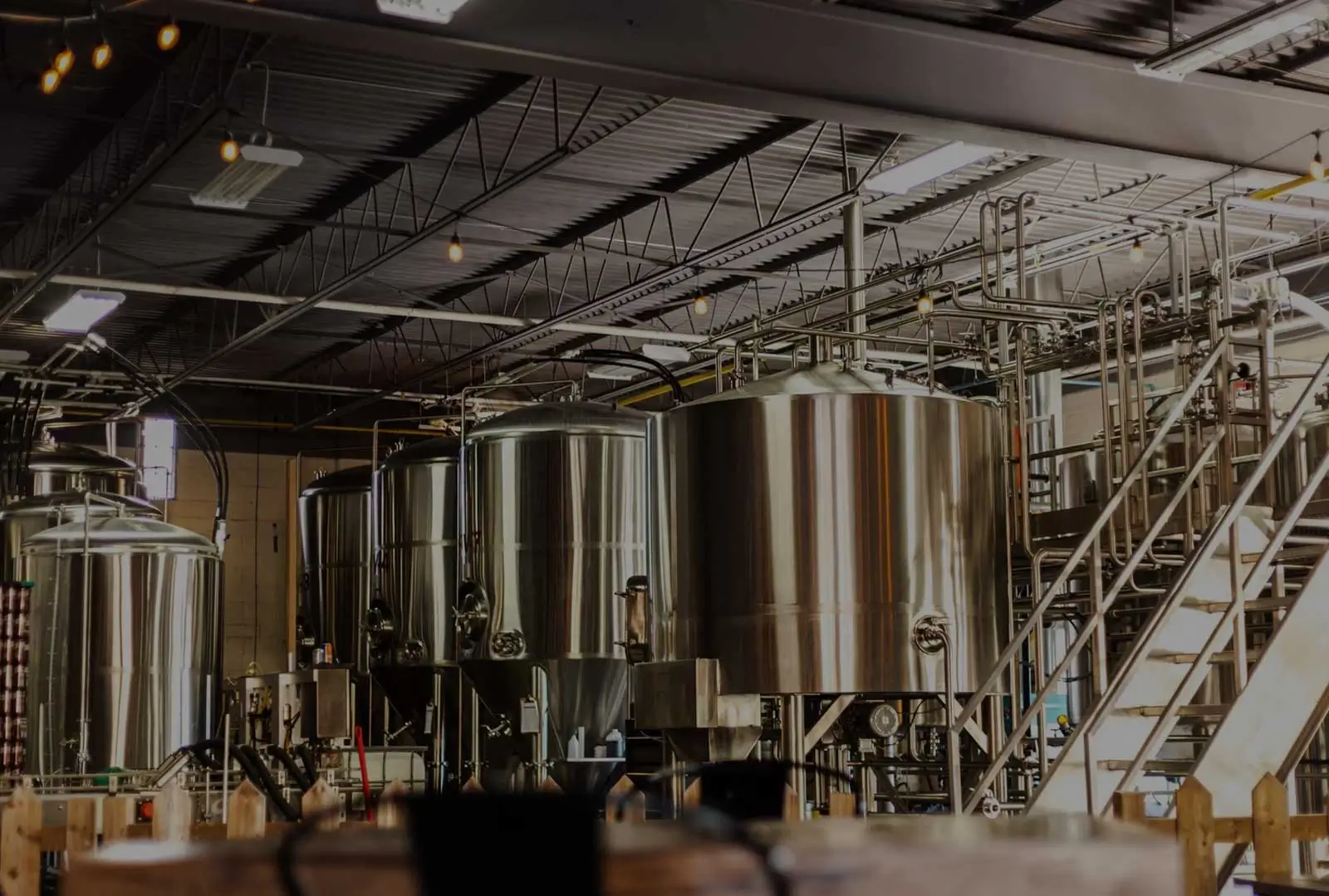
Modern production scaling requires a shift from isolated hardware to shared utility grids where a single high-pressure steam boiler serves the brew kettle, the pot still, and the grape must pasteurizer. Data from 2024 industrial audits indicates that multi-modal facilities utilize their floor space 40% more efficiently by installing universal drainage systems and chemical-resistant flooring that meets USDA and local environmental standards for all three alcohol types.
"Shared infrastructure isn't just about saving space; it's about the 18% reduction in peak energy demand achieved by staggering brew cycles with distillation runs."
This energy management leads directly to better cash flow, allowing producers to reinvest in high-capacity fermentation tanks that handle diverse yeast strains without cross-contamination. By 2025, it is estimated that 65% of new craft licenses in North America will be for hybrid operations, necessitating software that tracks raw materials like grain, fruit, and botanicals in one database.
| Resource Category | Standalone Cost (Est.) | All-In-One Efficiency Gain |
| Glycol Chilling | $45,000 | 28% Lower CAPEX |
| Steam Generation | $32,000 | 19% Lower Fuel Use |
| Wastewater Mgmt | $15,000 | 33% Faster Processing |
When inventory is managed through a Brewery/Distillery/Winery All-In-One Solution, the procurement team can purchase glass bottles and aluminum cans in bulk, often hitting the 50,000-unit threshold required for wholesale pricing. This volume-based purchasing reduces the per-unit packaging cost by $0.12 to $0.18, which significantly impacts the bottom line when annual production exceeds 2,500 barrels.
"A single sourcing strategy for glass and cardboard can increase a facility's net margin by 5.5% within the first year of integration."
This financial padding allows for the acquisition of automated bottling lines that switch between 750ml wine bottles and 12oz beer bottles with less than 20 minutes of downtime. Minimizing changeover time ensures that the labor force remains focused on liquid quality rather than mechanical adjustments, keeping the throughput consistent across different product categories.
-
Shared Filtration: Cross-flow filters used for wine can be sanitized for high-clarity spirit polishing.
-
Yeast Management: Propagating proprietary strains in-house saves $400 per batch compared to buying dry pitch.
-
Barrel Rotation: Using ex-bourbon casks from the distillery side for imperial stouts or wine-finished gins.
As production volume grows, the complexity of tax compliance for different ABV levels becomes a bottleneck unless automated systems handle the heavy lifting. Case studies from 150 hybrid facilities show that digital gravity and temperature monitoring reduce the margin of error in TTB Part 19 and Part 25 reporting to less than 0.5%.
"Automated tax logic ensures that excise payments are calculated in real-time, preventing the $5,000+ fines often associated with manual entry errors in multi-licensed spaces."
Reducing these administrative risks creates a stable environment for experimental small-batch runs, such as grape-ale hybrids or grain-neutral spirits macerated with local botanicals. Producers can test market appetite with 5-barrel test batches before committing to full-scale distribution, which lowers the financial risk of new product launches by roughly 30%.
Efficient scaling also depends on the physical movement of liquid through the facility using high-grade sanitary pumps and manifold systems that prevent oxidation. In a 2023 technical survey, facilities with integrated piping manifolds reported a 9% increase in yield because they lost less product during transfers between fermentation and packaging areas.
"Every liter of 'shrinkage' lost in a transfer pipe is a direct hit to the annual ROI, especially in high-value spirit production."
Centralizing the lab equipment, such as a single Alcolyzer or spectrophotometer, allows the quality control team to maintain 0.02% precision across the entire portfolio. This level of accuracy is mandatory for international export markets where labeling laws regarding alcohol content are strictly enforced by customs agencies.
The final stage of growth involves vertical integration where the facility handles its own milling, mashing, and waste repurposing. Reclaiming spent grain for local farmers or using winery pomace for spirit infusions turns a waste stream into a community asset, often resulting in local tax credits or utility rebates for sustainable practices.